
 |
Loma Isabel de Torres Puerto Plata |
Published by Around the World in a Rush Travel Journal
Introduction: Where History Meets the Horizon
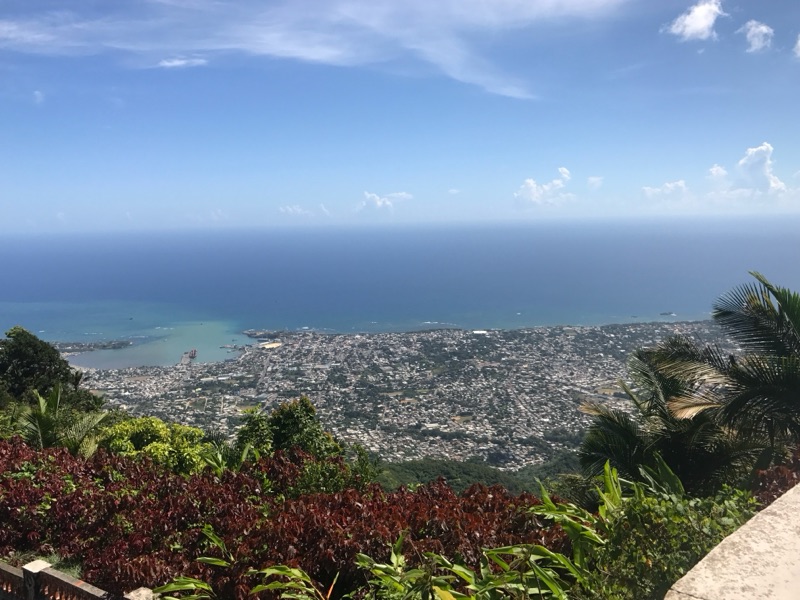
From the summit of Loma Isabel de Torres in Puerto Plata, Dominican Republic, the Atlantic glints silver—the very shimmer that gave Puerto Plata its name, “Silver Port.” Below, colonial streets, a 16th-century fortress, pastel Victorian houses, and modern resorts form a panorama of five centuries of reinvention. This guide links the city’s history to the experience of the view, then arms you with practical tips, image SEO, and internal links to Around the World in a Rush.
The Birth of the Silver Port
Taíno Homelands & Early Encounters
Before Europeans arrived, the region was home to the Taíno, whose lifeways were tied to the mountain, rivers, and bays below. Their presence endures in place names and cultural memory visible across the landscape you see from the summit.
Founding a Strategic Harbor (1502)
Under Nicolás de Ovando, Spain founded San Felipe de Puerto Plata in 1502. Its deep bay—clearly visible from Loma Isabel de Torres—became a vital node in early transatlantic exchange. The same silver-blue light that named the city still flickers on the water at sunrise and golden hour.
Decline, Devastation & Return
1606: Devastaciones de Osorio
To suppress piracy and contraband, Spanish authorities ordered northern settlements depopulated and destroyed in 1606. Puerto Plata fell silent—a geopolitical decision that reshaped the coastline below.
18th-Century Repopulation
Rebirth came in the 1730s as settlers—many from the Canary Islands—restored agriculture and trade. The patchwork of rural communities beyond the grid still hints at these returning lifeways.
Fire, Freedom & Victorian Flourish
After independence struggles and the War of Restoration (1863–1865), a catastrophic fire gave way to a remarkable rebuild. Puerto Plata embraced Victorian architecture: pastel wooden houses with ornate fretwork and balconies. From the summit, this colorful fabric stands out against the green slopes—a visible artifact of rebirth.
20th-Century Trials & Endurance
During Rafael Trujillo’s dictatorship (1930–1961), the city’s growth was curtailed as rail links vanished and the harbor’s utility was reduced. Yet Puerto Plata adapted, and over time its neighborhoods and seafront re-asserted identity—something you feel when scanning the coastline from above.
Modern Renaissance: Teleférico & Heritage
By the 1970s, Puerto Plata was designated a tourism pillar. The Teleférico Puerto Plata (the Caribbean’s only cable car) connected visitors to this summit. Resorts like Playa Dorada rose along luminous beaches; the historical district was restored, celebrating fortifications, plazas, and Victorian gems.
From the Summit: A City Written in Layers of Time
- The Harbor: The same deep bay that moored Spanish galleons now hosts cruise calls and fishing fleets.
- Fortaleza San Felipe: A 16th-century sentinel near the shore—small from above, monumental in the survival story.
- Victorian Quarter: Pastel wooden houses signal 19th-century rebirth after catastrophe.
- The Sea: Its silver-blue sheen birthed the city’s name and still defines its identity.
The view doesn’t just summarize history—it stages it. Mist rolls in, then lifts like a curtain, revealing the next act of Puerto Plata’s ongoing narrative.
The Mountain as Sentinel & Symbol
Loma Isabel de Torres anchors the city’s skyline and spirit. The Christ the Redeemer statue atop the dome stretches toward sea and sky—a gesture of protection mirroring the city’s cycles of loss and renewal. Each era tried to bend Puerto Plata’s destiny; the mountain reminds us that place outlasts politics.
Plan Your Visit
How to Get There
- Teleférico Cable Car: When operating, a 10-minute ascent glides above rainforest canopy. Typical hours: 8:30 a.m.–5:00 p.m.
- By Road: Guided jeeps/trucks use steep, winding access roads during maintenance periods.
What to See Up Top
- Christ the Redeemer: Iconic photo spot with city and ocean backdrops.
- Botanical Gardens: Orchid pockets, palms, and vine tunnels framing balcony overlooks.
- Scenic Walks: Short paths to viewpoints; benches for cloud-watching and city panoramas.
Best Time & Practical Tips
- Arrive early for the clearest views before midday clouds.
- Wear grippy shoes; paths can be slick after rain or mist.
- Bring water and a light layer—summit breezes can be cool.
Connect the View to the City: A Half-Day History Walk
- 8:30 a.m. — Summit First: Capture the panorama; identify harbor, fort, historic grid, and resort arc.
- Garden Loop: Stroll the paths; note how forest gives way to city, then sea—nature → culture → commerce.
- Descent & Old Quarter: Walk the Victorian streets you just surveyed from above.
- Fortaleza San Felipe: Ground the story inside the 16th-century bastion visible from the summit.
Photography & Image SEO Tips
- Use descriptive alt text: “View of Puerto Plata from Loma Isabel de Torres with Fort San Felipe in the distance.”
- Use title attributes on images: “Loma Isabel de Torres—Puerto Plata Panoramic View.”
- Include related internal links to improve dwell time and topical authority.
Internal Links from Around the World in a Rush
- Dominican Republic Collection
- Dominican Republic Flag T-Shirt
- Travel Journal
- About Around the World in a Rush
Google Map Location
(Embed your Google Map iframe here.)
Written for Around the World in a Rush — connecting travel, culture, and fashion around the globe. All rights reserved © 2025.